
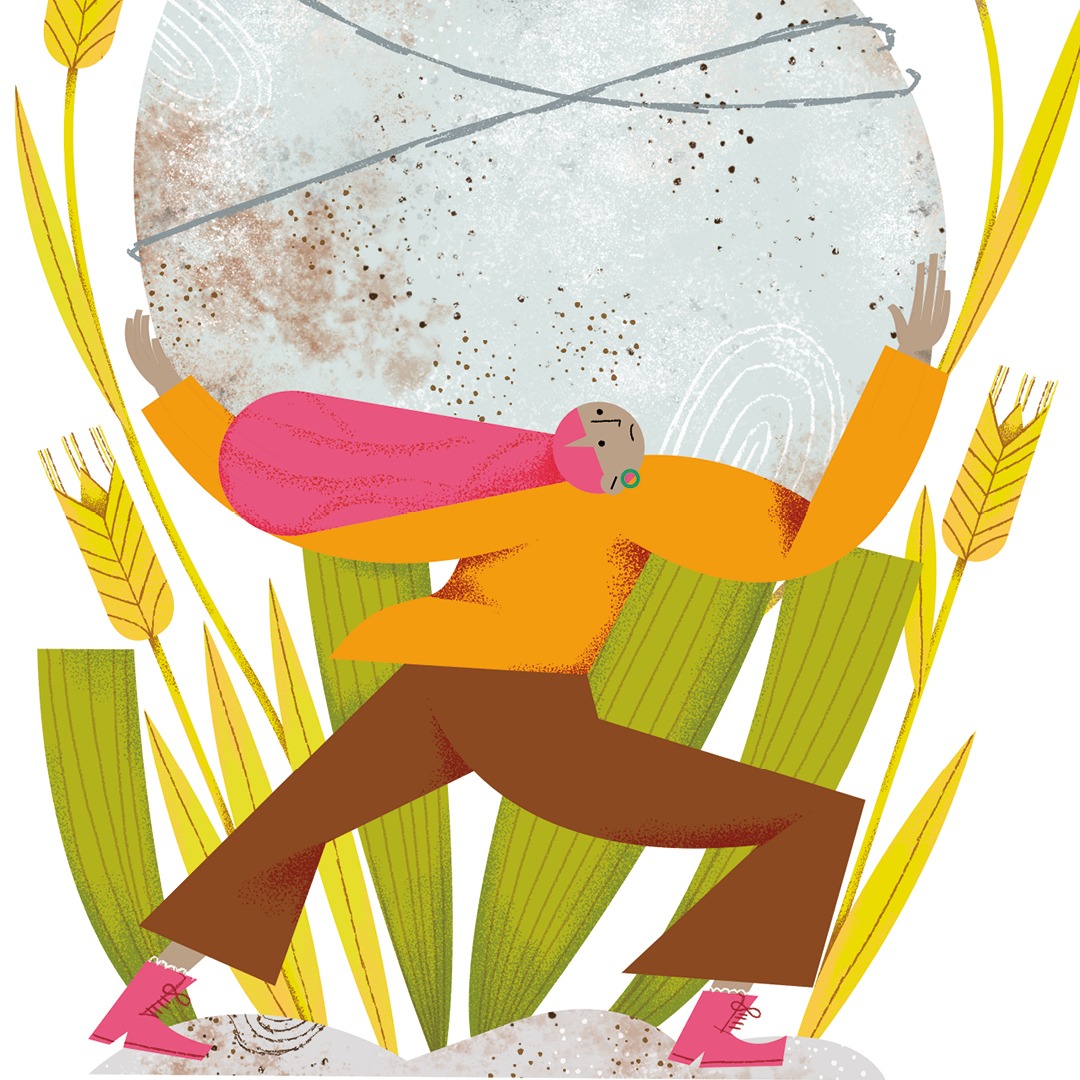
Do you keep putting things off until you have to do them at the last minute? Does a task seem overwhelming? Do you have chores that you can’t bring yourself to start? Whether it’s exam revision, tidying your room, cleaning the kitchen or starting your homework, sometimes a job can seem too big to begin.
If this describes how you feel, microtasking could help. Microtasking is the process of dividing bigger tasks into small portions. It helps you deal with overwhelm and means you can start a task right now and make progress without having to give up hours of your time.
First steps
To start microtasking, all you need to do is think of a job on your list and choose an amount of time you’d like to spend on it. It could be as little as two minutes or as much as 25. Once you’ve set a timer, start working, giving the task your full attention. Putting your phone out of reach helps prevent distraction.
Just working for a short time allows you to overcome procrastination without having to commit too much time. It’s a great tactic when you’re tired and really not in the mood but want to make a little progress. Setting a timer is an essential part of the process, as it’s like a safety net. While you’re doing the task, you know you’ll be saved by the bell very soon.
You don’t have to invest a lot of time, but a series of smaller bouts can really add up. For example, if you do six 10-minute sessions of room tidying over the course of a week, that’s the equivalent of blitzing it for a full hour.
Making progress
Another benefit of setting an achievable goal is that once you get going, you might want to continue. One of the worst things about revision or homework is that sense of dread beforehand. Maybe you feel unmotivated to get started, but once you do, you might find it’s enjoyable. Or if not really enjoyable, then at least satisfying that you’re getting the job done.
If you’re putting off starting your maths paper or writing that English essay, try microtasking by doing a sum or a paragraph at a time. With a little bit done, you can clear your head by spending time with family members or playing with a pet.
Alternatively, when your 10-minute timer goes off, you could set it for another 10 minutes and do a second stint, and maybe a third. It can often feel a lot less daunting to divide up the time, rather than facing a longer stretch of 30 minutes.
As they build up, these bite-sized intervals will give you a sense of achievement and persuade you that, yes, you can do this.
Building a habit
There is, however, a downside to microtasking. If you only clean your room for 10 minutes, you don’t experience the complete joy of having a totally immaculate space. This can make you inconsistent in returning to the task, because the full benefits aren’t obvious.
One way around this is to make a commitment to tidying your room (or any other task) for 10 minutes every day for a week. If you make a list of the days and score off each session you complete, that gives you the satisfaction of knowing you’ve done the job. The two-minute rule is another approach. It comes from a book called Getting Things Done by David Allen. The rule is, if it takes less than two minutes, do it now! So, instead of looking at your dirty socks on the floor, you spend just two minutes picking them up, along with a few other stray items. This is the ultimate in microtasking and, when done regularly, it can help you stay on top of regular chores and stop small jobs from becoming big tasks.
Microtasking is great. But when it comes to mental activities, there are benefits to longer stretches of concentration. You can really get into a state of flow, where you become focused and thoughts come easily.
It can take time to warm up to a task, so one of the benefits of doing something for longer is that you can achieve a deeper level of concentration – and get into that flow state. So, once you’ve completed a few short intervals, try setting a timer for a longer session. That could be 45 minutes of non-stop exam revision or an hour-long decluttering session in your bedroom.
Over time, the combination of microtasking and longer periods of concentration will help you tackle tasks and avoid overwhelm.
Breaking tasks into micro chunks
Microtasking can be applied to pretty much anything. Here are some suggestions:
- Read one page of the book you need to finish for English.
- Complete one equation in your maths homework.
- Move your dirty washing from the floor to the linen basket.
- Put your clean washing into the wardrobe.
- Fold the clothes in your drawer to free up space.
- Declutter your desk drawer so you can find your stationery.
- Empty the wastepaper basket so you have room for rubbish.
- Write that email.
- Clear the top of your desk to give yourself room to work.
- Put old papers that you no longer need in the recycling bin.