

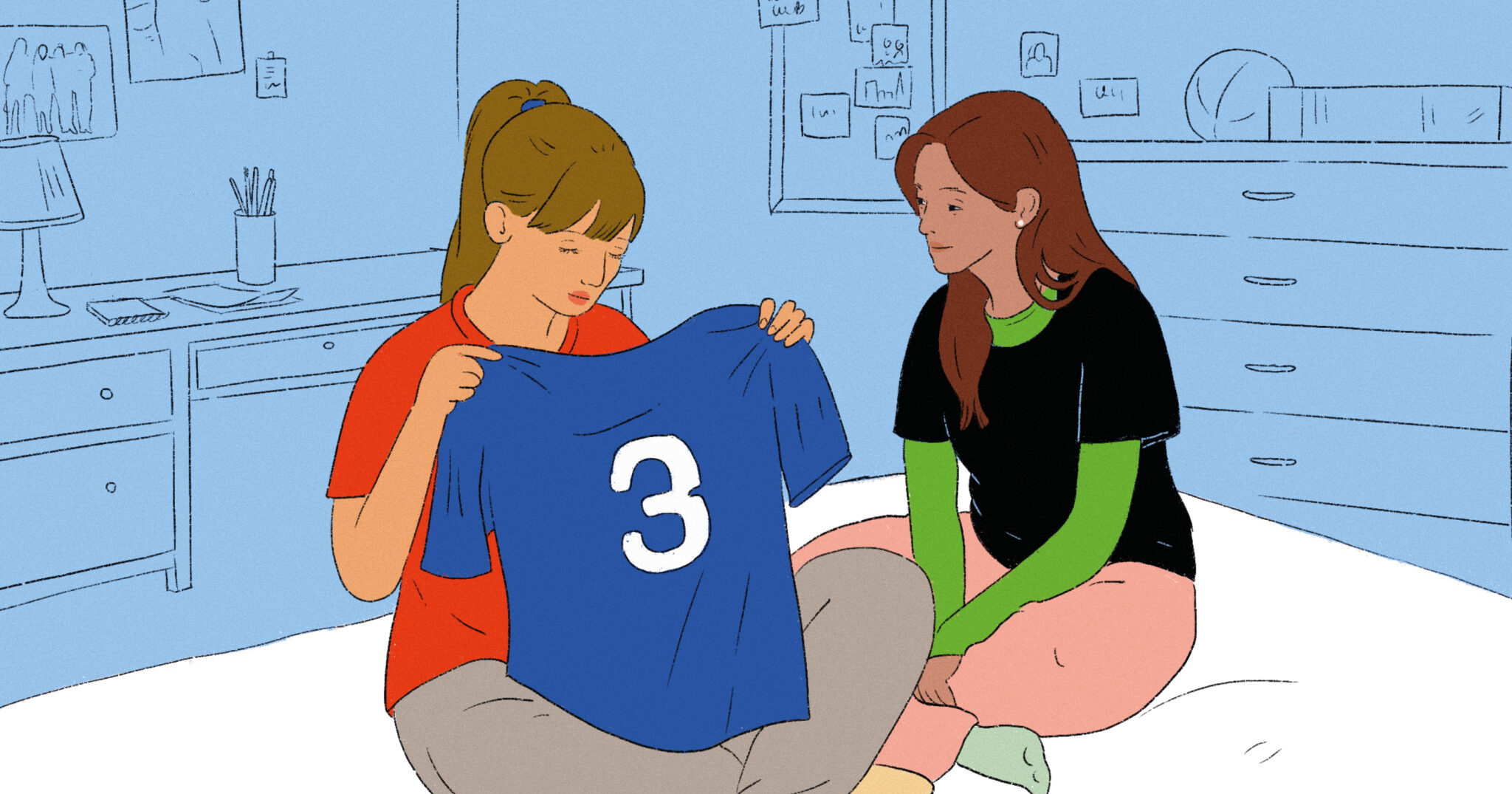
‘Work hard and you’ll succeed’ – sound familiar? At times of high pressure, like exams, it can feel like your family are continually getting on at you and stating the obvious. When they remind you to study instead of playing around online, they’re trying to motivate you, but when does reasonable pressure turn into unreasonable expectation?
Sometimes, expectations can be a good thing. They can push you to apply yourself, strive to succeed and achieve your goals. But at other times, attempts by friends, family and teachers to spur you on backfire, and it can feel like the pressure is piling up.
Words of encouragement
When you receive encouragement, it can sometimes help you to do your best. ‘We often think of expectations like pressure on us. But sometimes expectations from others are just their clumsy way of saying “I believe you can do this!”’ says Counselling Directory member Fee Engelhard, a therapist based in Liverpool in the UK.
If you’re struggling with self-belief, a supportive word from someone you trust can help give you the confidence to achieve greater things. You might be unsure about auditioning for the school play, for example, and a friend telling you they think you’d be brilliant at it could give you the boost you need. ‘When expectations are kind and realistic, they can help you start believing in yourself more, too,’ Fee explains. ‘Maybe they can give you a gentle nudge to try and do something you thought you couldn’t, just to find out that actually, you can.’
Weighed down
There can be occasions, though, when expectations feel too heavy. ‘The problems start when expectations stop feeling helpful and supportive and instead start to feel like you’re carrying a backpack full of bricks,’ says Fee. ‘You might start to worry all the time, or be scared of messing up or disappointing people. Perhaps it could even feel as if you’re constantly watched, measured and judged.’
This can make you believe you’re being criticised if you don’t achieve what other people expect, or that you need to reach for goals that actually don’t matter to you.
‘It could even go so far as you feel pressured to be perfect, that you start beating yourself up and develop big fears around messing up, or start believing that your value and worth depend on what you can achieve,’ Fee says. ‘Even fun things can start to feel heavy when you’re constantly trying to meet someone else’s standards, and that is really exhausting.’
How can you tell the difference between helpful encouragement and burdensome expectations? ‘You might notice things like feeling anxious a lot, struggling to switch off, feeling guilty for resting, losing motivation, snapping easily or constantly thinking you’re “not good enough”, no matter how hard you try,’ Fee explains.
‘It may start feeling like you don’t enjoy your hobbies anymore or that you don’t want to see your friends. Basically, if life starts to feel more heavy than hopeful, that’s usually a sign that something needs to change.’
Managing expectations
If you’re doing your best and feel you can’t live up to other people’s expectations, there are things you can do.
To start with, Fee recommends taking a breath and checking in with yourself. ‘Ask what you want, not just what everyone else seems to expect,’ she says. ‘Try being gentle with yourself. You’re not failing for feeling overwhelmed, you’re only human and we all feel like that sometimes.
‘You can ask yourself: “What feels heaviest right now? What am I worrying about? When I worry, how does my body feel?”’
Talking to a trusted adult, such as your parents or a teacher, or a close friend or sibling can help too, Fee says. ‘It’s good to talk about these things and that alone can sometimes make things feel less heavy. Expectations from others can help guide you, but they shouldn’t squash down who you are. And if something feels too heavy, you’re absolutely allowed to say so,’ explains Fee.
‘It’s really important to remember that you don’t have to be perfect. If you’re trying your best, that is good enough. You can only do what you can do, and that is enough.’