
Take stock
Before you start clearing out, create a style board that includes pictures of the kind of outfits you like. Think about how you can make a minimalist wardrobe work for you. It might help to write down the following:
Essential clothes for everyday use include…
- What I like about my clothes…
- What I don’t like about my clothes…
- Colours I like and that really suit me are…
- Clothes I love to wear and make me feel good include…
- My favourite special occasion outfit is…
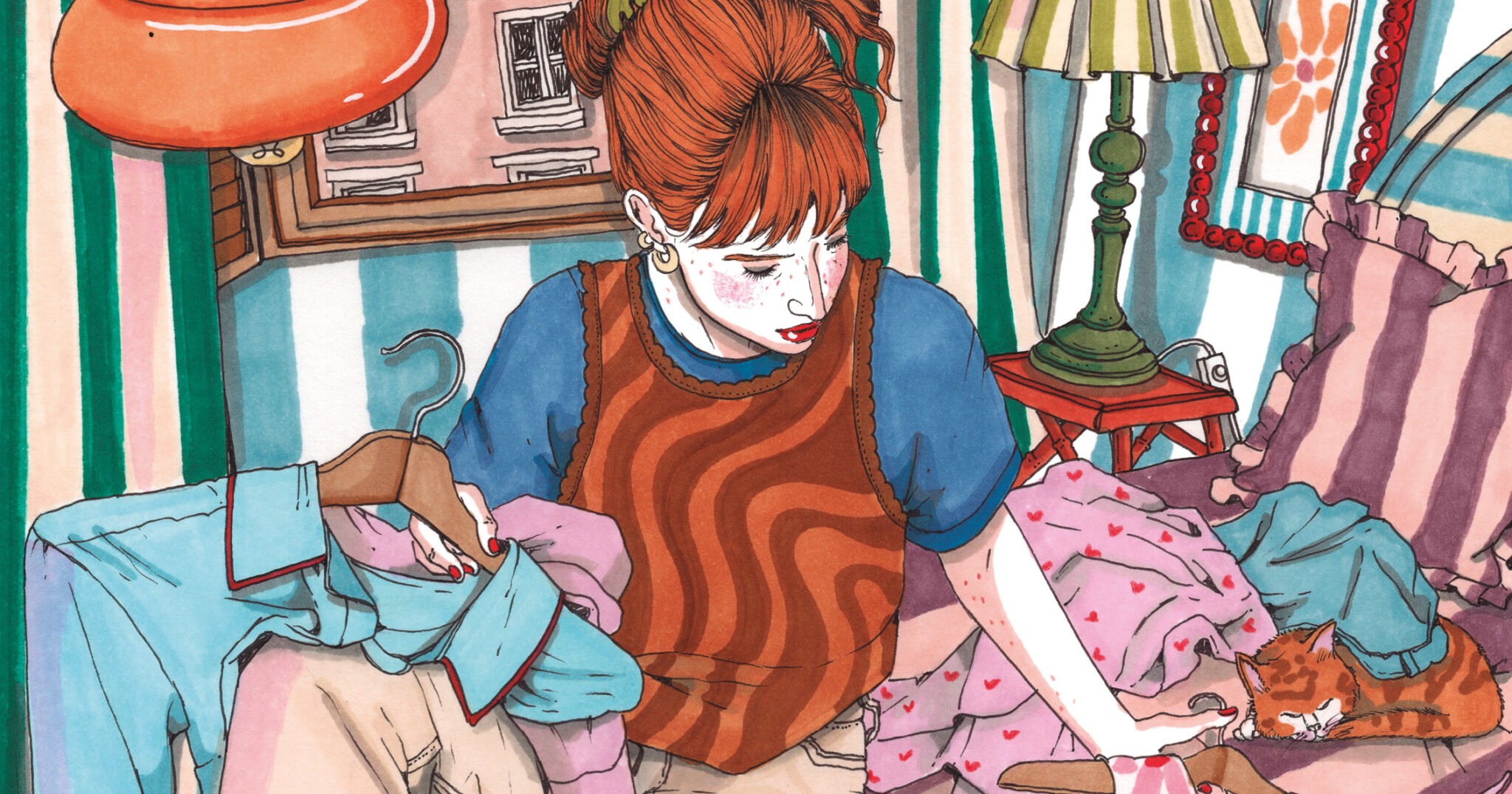
Go through your wardrobe, cupboards and drawers. Pile all your clothing onto your bed and take a close look at every item. If it’s been a while since you had a clear-out, you might be surprised to find things you’d forgotten about, such as an old top you loved that now has a hole in it, a Christmas jumper you’ve never worn or a pair of loud trousers that used to be fashionable but you don’t really like. Take stock of everything, including shoes, coats, bags and accessories, like belts and winter scarves.
Now consider how many clothes you actually need. A typical minimalist wardrobe might include two pairs of jeans, two pairs of trousers, two skirts, three tops or T-shirts, three blouses or shirts, three dresses, three sweaters, two jackets, two coats and four pairs of shoes. You might need more or fewer of each item. Focus on what suits you, your circumstances and your lifestyle.
Declutter
The next stage is to decide which clothes you’re going to keep and what needs to go. This can be quite challenging to do, so make it fun. Play some music. Relax. Take your time.
Create three piles: one for ‘must-keep’ clothing, one for ‘unsure’ and one for ‘things to be recycled or donated to charity’. To help you make a decision about each item of clothing, ask yourself the following:
- Is this an essential that I wear regularly?
- Does it still fit comfortably?
- Do I actually like it?
- Has it got any holes, rips or missing buttons?
- When was the last time I wore this?
- When will I wear it again?
- Does it fit with my style and colour scheme?
- Do I look and feel confident wearing this?
If you need a second opinion about whether to hang on to that favourite but now tatty jacket that doesn’t go with anything, ask a close friend, sibling or even a parent. If you’re still unsure about one or two things, put them in a box and look at them again in a few weeks’ time.
Organise
After the declutter, separate what’s left into neat piles of tops, bottoms, dresses, coats, shoes and accessories. Try on different combinations to see how many looks you can put together from your new curated minimalist wardrobe. Identify the perfect tops that will go with any of your trousers, jeans, skirts or leggings. Or take a plain dress and add accessories to make a party outfit. Even with just 15 items of clothing, it’s surprising how many different outfits you can create. Take photos of each one so you have an inventory of your collection.
Refresh
When you buy new clothes to replace something that’s old, worn out or no longer needed, choose things that will coordinate with what’s already in your wardrobe. The idea is to make the most of what you have. When you try to be a bit imaginative, you can dress creatively with just a few items in your collection.
The benefits of a curated wardrobe
It’s easier to choose
With fewer items of clothing, you can quickly see what you need for every occasion, so no more decision fatigue about what you’re going to wear.
It’s easier to keep tidy
A declutter will free up storage space for the items of clothing you want and need. No more crammed cupboards or clothes all over the bedroom floor.
It saves money
Once you’ve achieved your minimalist wardrobe, you only need to spend money on new clothing when an item has worn out. You’ll be less likely to waste cash on things that don’t fit your style and it’s kinder to the environment, too.