
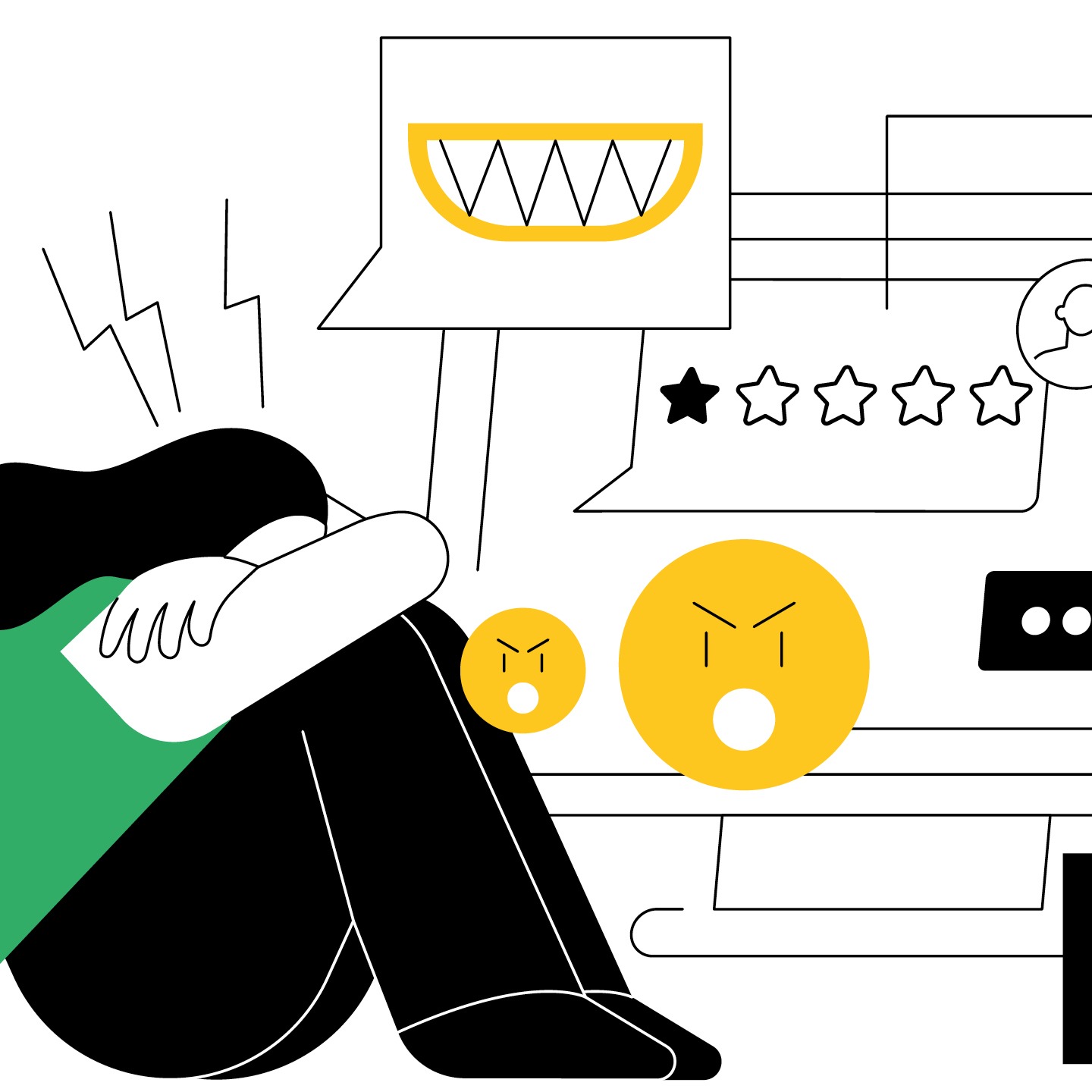
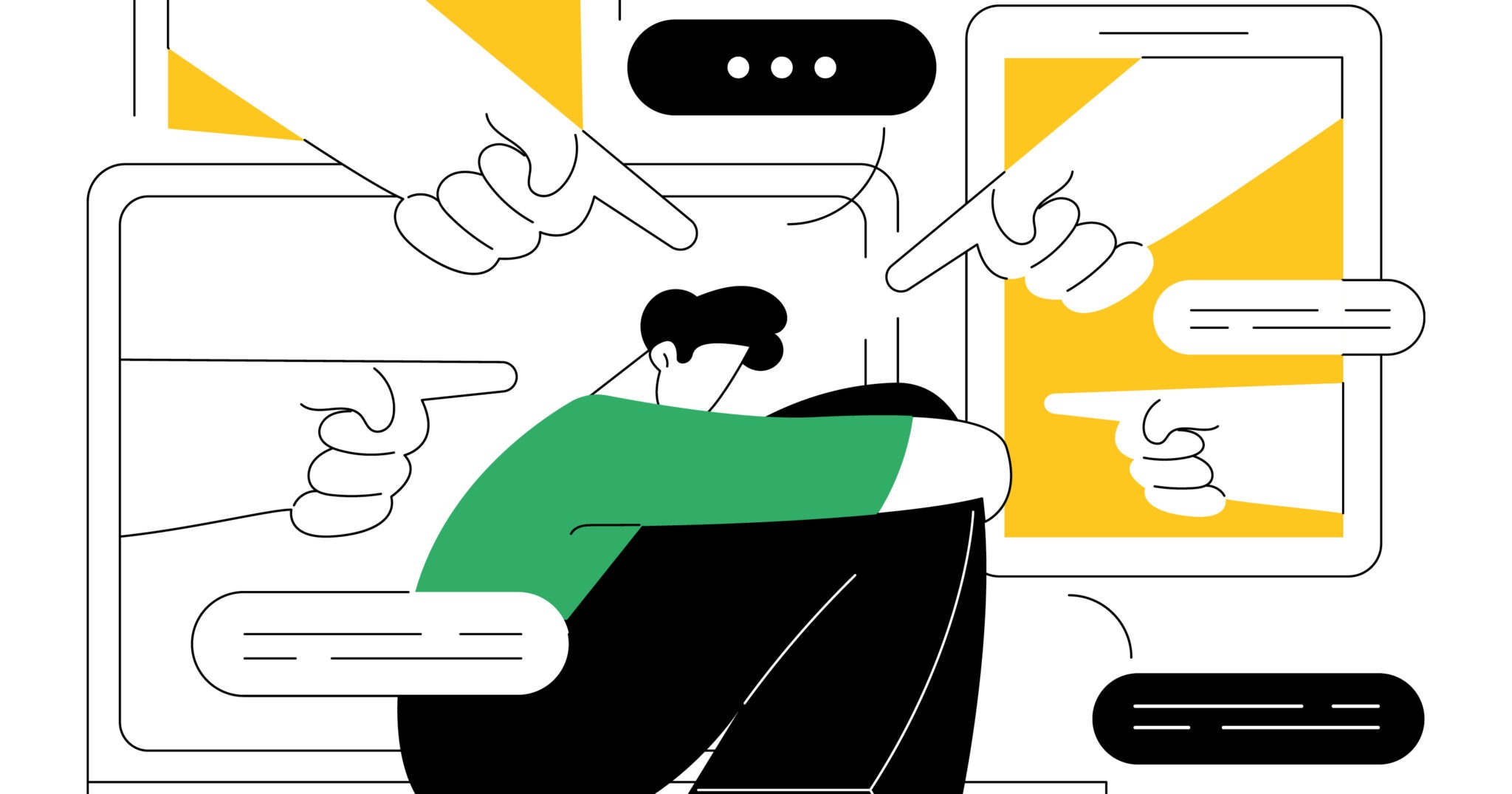
Friendships and conversations online feel different to interactions in-person, and sometimes spaces such as social media, gaming apps or group messaging can become forums for jokey banter.
Exchanging funny photos, comments or voice notes is good fun, but it can be easier to get carried away when you’re not face-to-face with the recipients, so it’s important to make sure no one is singled out. Banter has the potential to become bullying if those involved aren’t mindful of what they are typing or sending. A spokesperson for internet safety charity Childnet explains: ‘For some people, joking together and making fun of each other is part of their friendships. But even something intended as a joke can be hurtful and if things go too far, it’s important to know what to do and where to get help.’
Does it need to be intentional to be bullying?
In the UK there is no legal definition of bullying – but it’s possible that you could experience it in various forms. It could be emotional or physical, and can be both direct and indirect. In the online world it’s possible to bully someone you’ve never even met. Katrina Collins, from Belfast, is a psychologist with a background in understanding bullying and its effects. She points to guidance from the Anti-Bullying Alliance that the four key elements of bullying are that it involves ‘an imbalance of power, intention to cause harm [and is] repetitive and hurtful’. Bullying is often thought of as ganging up against a victim in the playground, but it could also be intentionally singling out or making someone the butt of too many so-called jokes in a group message or gaming forum.
How online bullying can be hard to switch off
Unlike bullying that happens in a specific location, such as on the bus or on your walk home from school, bullying online can be harder to avoid because most people have their phones with them everywhere they go. If the bullying is taking place in your pocket it can feel like there’s no escape. Katrina explains: ‘The digital world has added a layer to this experience whereby bullies can no longer be “kept outside”. With constant messages, and apps in video and voice formats, it’s very difficult to find a place to retreat and turn off.’ If you spend your leisure time online gaming or on YouTube, you can also be vulnerable.
The effect online bullying can have
Like all forms of bullying, being the victim can be extremely damaging. Katrina says that online bullying can be ‘insidious’ and interfere with your ‘sense of self’ creating ‘doubts, shame and blame’. She also points out that you might feel especially reluctant to report bullying that’s happening online rather than IRL. If you’re on the receiving end of something that’s affecting your mental health, making you feel anxious, depressed, embarrassed, frightened or isolated, it’s very important to seek help.
Online bullying should be taken as seriously as other forms of bullying. And if you’re part of an online community where you’ve noticed another member being singled out, make sure you’re part of the solution, instead of weighing in or hiding behind your phone. Think before you post – would you say that to someone in real life? With a little more understanding and empathy, the online world can be safer and more enjoyable for everybody.
Banter or bullying?
Here are Childnet’s top tips for understanding and tackling online bullying:
It can be harder to know what someone means online
Remember that without body language and the other signals we use when we’re talking in person, online messages can be easily misunderstood. Emojis or gifs can show when you’re joking, and a voice note can help people to hear your tone of voice. However, if you’re not sure how a message might be received or if it will upset someone, it’s always best not to send it.
Own up and make amends
If things have gone too far, or you’ve said something that you regret, it doesn’t make you a bad person, but your behaviour afterwards still matters. Take responsibility by saying sorry to anyone else involved. A quick message works, but an in-person apology can often have a bigger impact.
Be an upstander by speaking up for others
If you see a friend saying or doing something unkind online, you can help by speaking up or letting them know that they’ve gone too far. This doesn’t have to be a public call out – a DM or separate message from you, as someone they trust, could help them realise where they’ve gone wrong. You could also check-in with the person on the receiving end, to make sure they’re okay.
Remember, it’s impact over intention
That means even if you only meant something as a joke, or you thought everyone would find it funny, it crosses the line if anyone feels hurt or upset. Everyone makes mistakes, but accepting that your behaviour went too far is the first step to making things right.
Know where to go for help
Things can move really fast online, especially in big group chats or online spaces where you don’t know everyone. If things have gone badly, or you’re feeling overwhelmed, it’s important to ask for help.
Use reporting tools on games or social media, talk to a friend about what’s going on, and speak to an adult you trust, like a parent or teacher. You can also contact Childline on 0800 1111.
Childnet is a charity with a mission to make the internet a great and safe place for children and young people. Visit childnet.com