

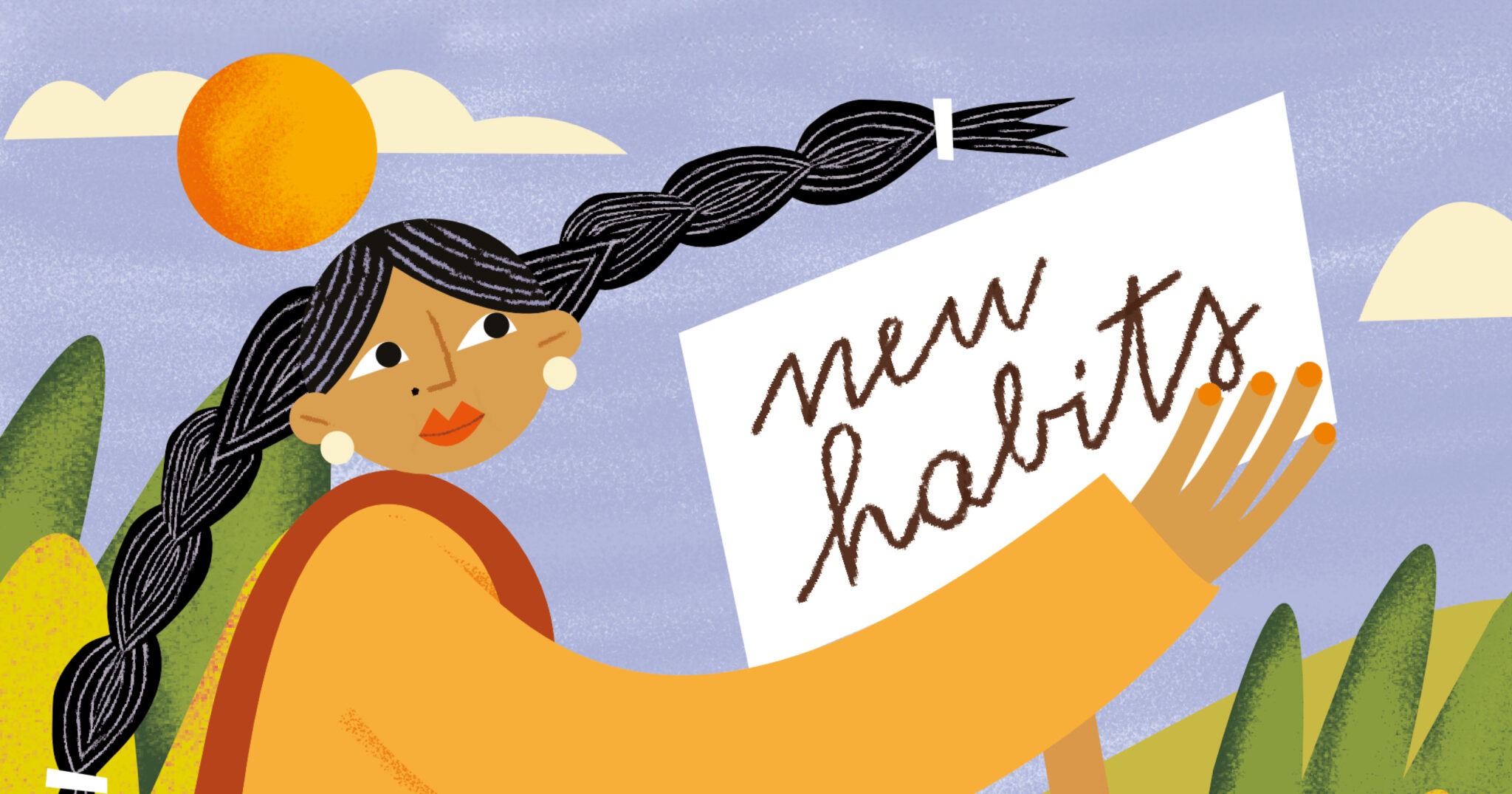
Have you ever tried to kick a habit you know isn’t good for you – only to run out of steam and go back to your same old routine a few days later? So many people begin plans with optimism, only to find sticking to them trickier than they thought. But why are old habits so tough to kick? And why is it so hard to form new ones? Several factors work against you, but with increased awareness, you can become a creature of new, different habits.
The dictionary defines habits as automatic behaviours done repeatedly on a regular basis. They’re formed gradually and become second nature, allowing you to work on autopilot as you perform them without really thinking. Some habits are positive, such as practising an instrument for two hours every day to improve your playing. The issue comes from habits developed unintentionally that can have a negative impact – eating too many sugary foods, for example, or sitting badly at your desk.
According to researchers at Duke University in North Carolina, habits account for around 45% of everyday behaviours. And while changing them may seem difficult, it’s not impossible. First, though, you need a greater understanding of how habits are developed and a clever approach to shaking them off.
How are habits formed?
Habit formation involves three parts: trigger, action and reward. The trigger is an event that begins the action, the action is the behaviour itself and the reward is the benefit you get from performing the action.
It’s likely one of the first things you do in the morning is brush your teeth. You don’t have to remember to do this, it’s automatic. In this case, the trigger is waking up, the action is brushing your teeth and the reward is fresh, minty breath.
The ultimate secret to building long-lasting healthy habits is the emotional reward the body gets from carrying out the action, because this is what drives the three-part habit loop and makes you do things without the need for willpower. Repeating the three-part loop will result in the brain remembering the context of the habit – but it takes a while for this to happen.
How to build new habits
When it comes to making things happen, people often want to see quick results, but the truth is you need consistency, sustained motivation and persistence. Remember Aesop’s fable The Tortoise and the Hare? Slow and steady wins the race. Take the following small steps now to reap rewards sooner rather than later.
Practise mindfulness
The practice of mindfulness helps you to pause and consciously recognise and reflect on actions and reactions. In this way, you can become aware of how automatic habits have a powerful effect and assess whether they’re positive or negative and if you want to keep or lose them, be it doing more exercise or going to bed earlier.
Be mindful as you go about your day and become aware of all your habits. If you find it hard to notice the less great ones, be brave and ask someone close to you. Now pick a negative action from your list – the one you would most like to change. This is the first bad habit you are going to work on replacing with a healthier alternative.
Develop a strategy
Write down the bad habit you have chosen including the trigger, action and reward. Then note down the action and reward of the good habit you would like to replace it with. When choosing the new habit, make sure it’s really rewarding – it needs to evoke an emotion in you. For example, if you choose to get up early and go for a run, allow yourself an extra 10 minutes of screen time as a reward. This will stimulate the release of feel-good chemicals in your brain, helping you to wire the habit much quicker and make it stick.
Value versus cost
To break a bad habit and form a new one, you need to have a strong enough reason to make it happen. Ask yourself how the new habit will improve your life. It will give you a sense of urgency as you realise it needs to change now, not tomorrow or the day after.
Mental rehearsal
Free your mind of distractions and focus on a mental picture of the situation you will be in when you are going to form the habit. Think about what you will see, hear, feel, touch and smell. Imagine the trigger happening and, as a result, actively following through on the action. Having done this, imagine the rush of positive feelings that flood your senses. Now open your eyes. Take a moment to consider how you will feel in a week’s time if you stick to your habit. Then it’s time to start doing it in real life.
Take action
Keep repeating the three-part loop over days or weeks until it becomes wired into your brain. It’s easy to have a momentary relapse into an old habit. Should this happen, don’t get down on yourself or let it stop you in your tracks. Just keep remembering why forming the new habit is important.
Time to reflect
Plan time out every week to reflect on the progress you have made with your habit. Make sure there’s a trigger to remind you. For example, you could choose Sunday morning after breakfast. Think about your progress in the week, the challenges you encountered and how you overcame them. Jot down your thoughts, so you can keep track and refer back to them if necessary.
Call for back-up
Get one of your family members or friends to be your back-up or support partner – someone who you can turn to for support, who will check in with you to see how you’re getting on. To motivate you even more, come up with a consequence if you don’t follow through on your action daily, such as cleaning your mum’s car if she’s your back-up partner. You could also think of a treat for when you do complete your new habits regularly.