
Synaesthesia is a phenomenon that causes sensory crossover or merging. It’s not a medical condition and researchers think it may be caused by extra connections between certain regions of the brain. The result is that the stimulation of one sense triggers an experience relating to another. The word comes from the Greek syn, meaning ‘join’, and aisthesis, meaning ‘perception’.
What’s it like?
There are no universal rules to synaesthesia; each person experiences it in a personal way, with different combinations of senses being involved. In the type of synaesthesia known as grapheme-colour, visual symbols such as letters and numbers conjure up specific colours. The marvellously named lexical-gustatory synaesthesia results in words being experienced as strong tastes.
Chromesthesia is a common form of synaesthesia where colours, as well as shapes and textures, are triggered by different sounds. Many well-known artists have channelled their chromesthesia to create work inspired by music.
Synaesthetic superpower
Synaesthetic experiences can be intense – Vincent van Gogh was dismissed by his piano teacher after he became overwhelmed by the colours he saw with each musical note he played. Some musicians, such as Joni Mitchell, Pharrell Williams and Billy Joel, have used the experience to inspire their compositions.
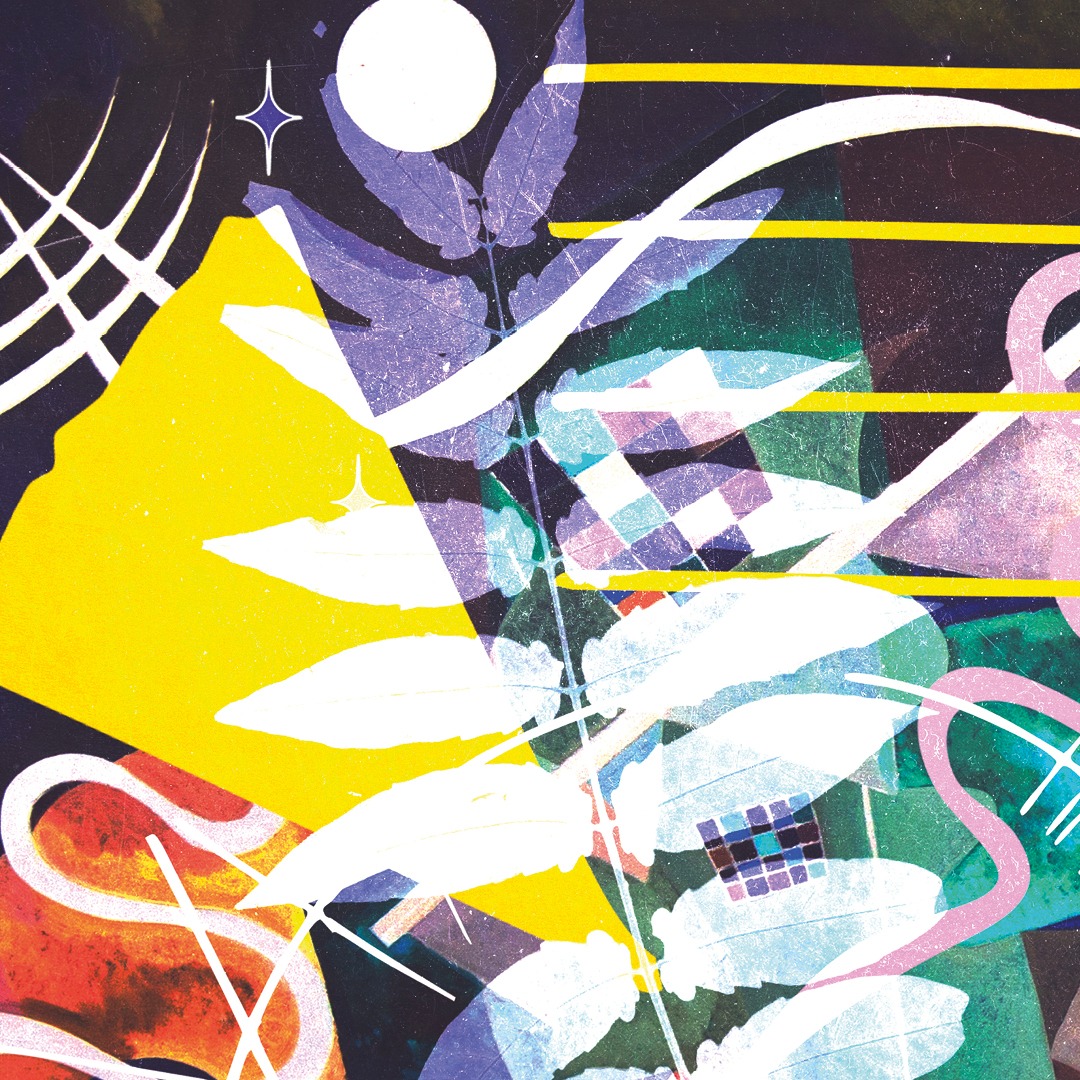
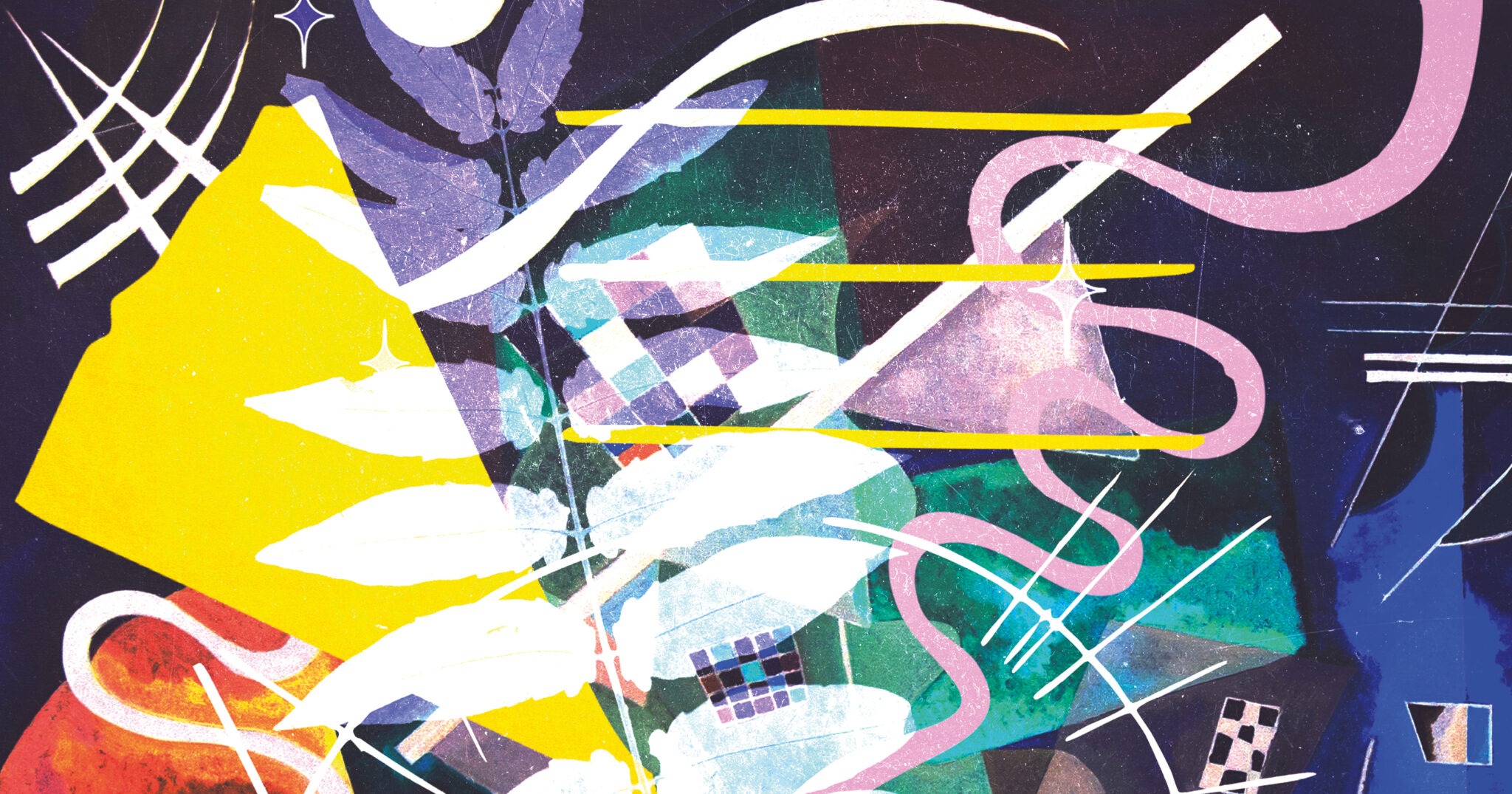
Russian painter Wassily Kandinsky was a pioneer in the area of chromesthesia, which inspired him to merge different art forms together. In his opera The Yellow Sound, he aimed to communicate through colour rather than dialogue. Kandinsky famously associated yellow with the sound of a trumpet and blue with that of a cello. Singer Billie Eilish says she often debates with her dad, who also has synaesthesia, about the shapes and shades of different days of the week. Each person’s colour connections will be unique to them – that’s the beauty of it.
Irish artist Jack Coulter has described his experience with synaesthesia as ‘quite a magic thing’, although it can sometimes cause sensory overload. He took particular inspiration from the musical performances at the Glastonbury Festival in 2016. Jack also hopes that, by acting as a kind of musical sign language, his paintings will appeal to people with impaired hearing.
Listen and draw
Channel your inner Kandinsky and have a go at creating your own synaesthetic-inspired artwork.
- Choose your song. It could be less distracting to opt for a piece without lyrics to start with – you could try Ludwig van Beethoven’s Für Elise or Geoff Robb’s The Burren. But it’s up to you.
- Soak it up. Play your selected song and take a moment to let the music wash over you. Close your eyes and pay attention to what’s going on in your mind’s eye.
- Pick your materials. Does the music suit soft watercolours or bold, bright acrylics?
- Get going. Begin intuitively painting or drawing whatever shapes and colours come to mind, letting your imagination wander and your hand flow across the page. Remember, there’s no right or wrong way to use your creativity.
- Share your work. To create an immersive sensory experience, you could show a friend or family member your artwork while playing them the music that inspired it.
Fact 1
Although synaesthesia is different for different people, there are some trends. Among people who associate letters with colours, for example, the letter a is often red, b is often blue and c is often yellow.
Fact 2
The Synesthesia Tree website lists more than 300 different types of synaesthesia.
Fact 3
Research from the University of Sussex suggests that one of the most common types of synaesthesia is experiencing days and months in colour.
Fact 4
One of the more unusual types is swimming-style synaesthesia, which involves seeing colours when watching or thinking about specific swimming strokes!
Fact 5
Roughly 3–5% of people have some form of synaesthesia.
Fact 6
It runs in families. Around 40% of people with synaesthesia have at least one other family member who shares the trait.