
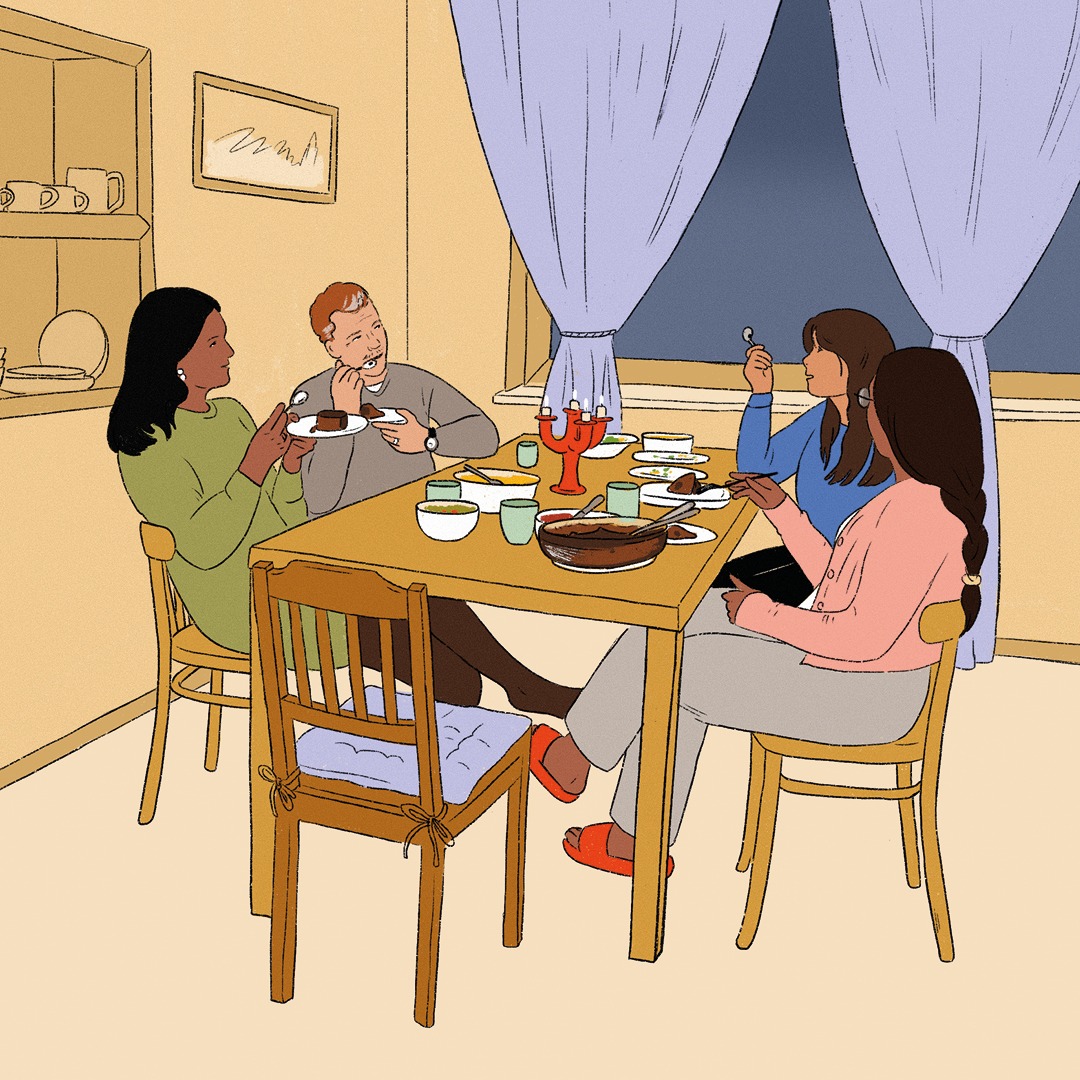
It’s Monday morning at school and your friends are all chatting about a great sleepover they had at the weekend. Normally, you’d be part of the conversation, laughing and joking with them. But this time, you hadn’t been invited.
It can be hard to cope when you’re feeling left out – whether it’s a weekend trip to the shops, spending time together after school or even just a chat at lunchtime.
So many emotions
Whether your friends purposefully excluded you or were just being thoughtless, when you’re left out, it can bring up a whole range of emotions. Maybe you’re angry that they didn’t invite you (even if it was unintentional), or upset and sad that you missed out on a fun time. You might feel unsettled because you thought you could trust your friends and suddenly, you’re questioning your place in the group. Possibly you’re even wondering if you want to hang out with them any more. Maybe you’re feeling lonely, jealous that you missed out on the fun or anxious that they don’t want to spend time with you. Whatever emotions the experience stirs up, it can be difficult to manage them.
Wanting to be part of a crowd is a natural feeling and has been ever since humans were hunter-gatherers. Back then, sticking with a group was critical for survival. So it can feel like a big deal if you’re not invited to a party when lots of your friends are. It can lead to overthinking and negative self-talk.
Finding out why
It might not be easy, but finding out why you weren’t included could be the first step towards putting your mind at ease. Maybe you feel closer to one member of the group and are able to ask them. If you choose to do that, a non-confrontational approach is best. Say something like: ‘Sounds like you had a great time at the weekend. I wonder why I wasn’t invited?’ There might be a good reason, such as they could only ask a couple of friends. Even if you get an answer that you don’t want to hear, it can stop all the what-ifs and whys buzzing around inside your mind.
Be kind to yourself
If you’re feeling worried or left out of your friendship group, it’s easy to start blaming yourself or thinking negatively about who you are. Suzy Reading is a UK-based chartered psychologist and author of This Book Will (Help) Make You Happy. Suzy has some tips to boost your self-esteem: ‘Celebrate what makes you YOU!’ she says. ‘What do you like about you? If you’re not sure, ask someone who loves you what they appreciate about you. Make a little list and look at all the skills and strengths and the care you bring to the world. Think about the kind thoughts you have, the caring things you do and be proud of you.’
If you can’t stop thinking about the situation, thoughts can start to spiral. Suzy says: ‘It’s helpful to know that you don’t choose the first thought, so don’t get upset with yourself for thinking it – and everyone has unhelpful thoughts. Remember, not all thoughts are true and you can just let them come and go.’
She continues: ‘Where we do have power is what we say to ourselves – our self-talk. Life is easier when we choose to speak to ourselves with kindness – the way you’d talk to a friend or your pet. Sometimes it can be hard to choose kind words. This is when we need to reach out for a hug, move our bodies, get some fresh air or have a snack or a drink of water.’
Talk about it
It can be really helpful to speak to someone you trust about what’s happened. Sometimes just having the chance to talk it through, rather than having negative thoughts churning round your head, can make you feel better. If it’s not the first time you’ve been left out, having a chat with someone sympathetic can help you work out if you actually want to be friends with that group anymore. It can be reassuring to remember that even though the situation might be painful right now, you’re fine and everything will work out okay.